
Game Fishing with Artificial Flies
Fly Fishing Fishing for Trout, Salmon, Grayling.
The origins of Fly fishing.
There are several ancient references to fly fishing, one of the oldest is of Roman Claudius Aelian somewhere towards the end of the 2nd century. He described the Macedonian anglers on the Astraeus River: “they have planned a snare for the fish, and get the better of them by their fisherman's craft. They fasten red wool, round a hook, and fit on to the wool, two feathers to catch fish with speckled skins. Their rod is six feet long, and their line is the same length. Then they throw their snare and the fish, attracted and maddened by the colour, comes straight at it, thinking from the pretty sight to gain a dainty mouthful; when, however, it opens its jaws, it is caught by the hook, and enjoys a bitter repast, a captive”.
About 200 years earlier, Homer mentioned use of spear, the net, the rod and hand-line.
Somewhat later and in England, the first written account described as 'The Treatyse of Fysshnge wyth an angle'. Published in 1496 and written by Dame Julianer Berners. Julianer allegedly, was an English Nun wrote about fishing with stout wooden rods and line made from horsehair. Anglers would dunk their bait of live insects or artificial flies on the surface of the water.
Dapping or dibbing, as written in the 'Secrets of Angling' by John Dennys, was also known as 'bushing' because the angler hid behind a bush whilst 'dapping' a fly on the surface of the water. Later that same century, Sir Izaak Walton wrote 'let no part of your line touch the water, but your fly only, and still be moving your fly upon the water.
The First Fishing Reels Emerged about 800 years ago.
There were no reels back then, just a length of line made from gut or braided horse hair tied the end of a pole. Methods and 'tackle' improved over time.
The very first documented fishing reel was in 1195 AD in the Song Dynasty in China. It was some time later that the first reel appeared in England, 1650 AD and by the 1760's London Tackle Shops were advertising geared or multiplying reels.
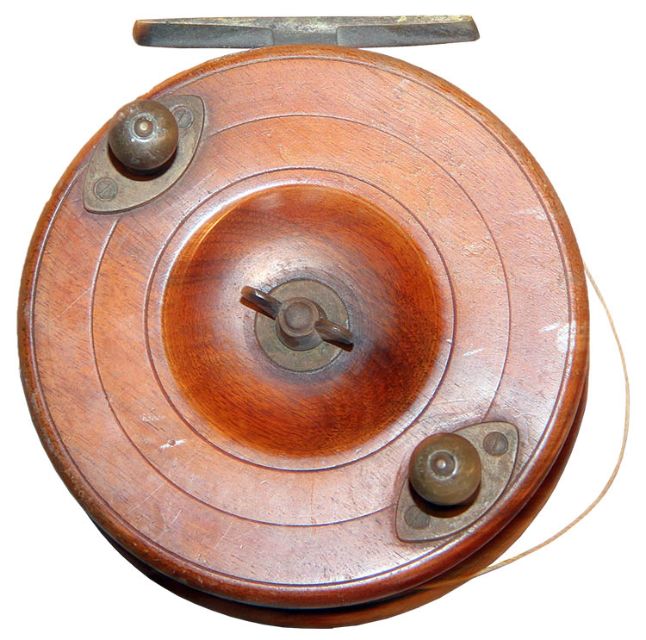
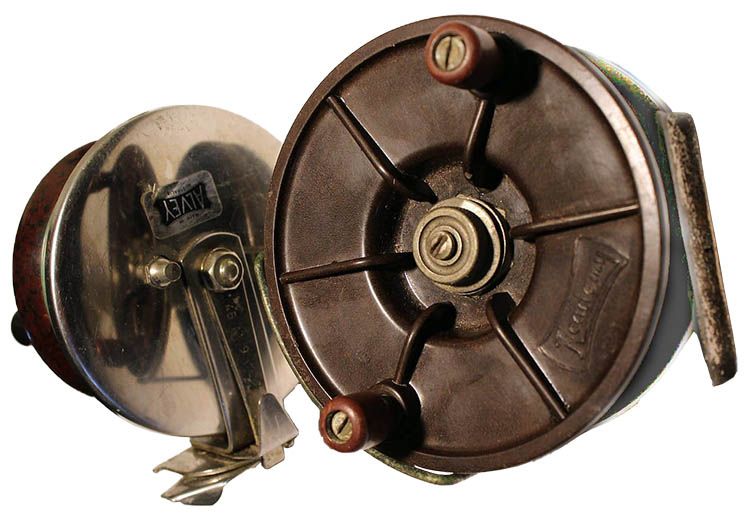
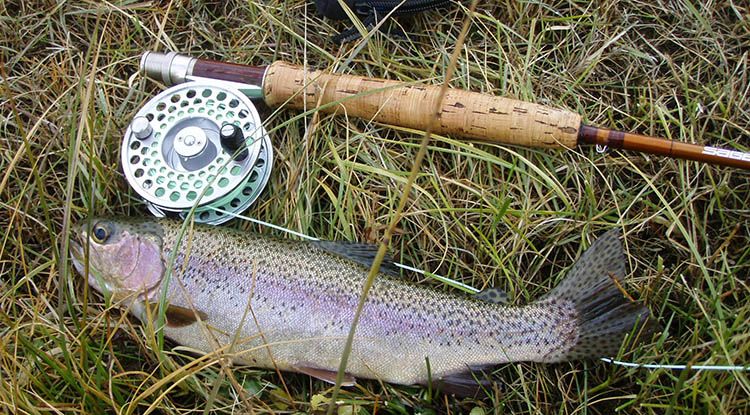
I was introduced to Fly Fishing way back in 1984 at a large fishery called Peckham's Copse Fishery, which back then comprised of ten lakes. Two of these were given over to Trout Fishing (fly only).
Since then, I have fly fished for most British fish species including Trout, Salmon and Grayling. I much prefer fishing natural imitations that mimic the actual fly as realistically as possible.
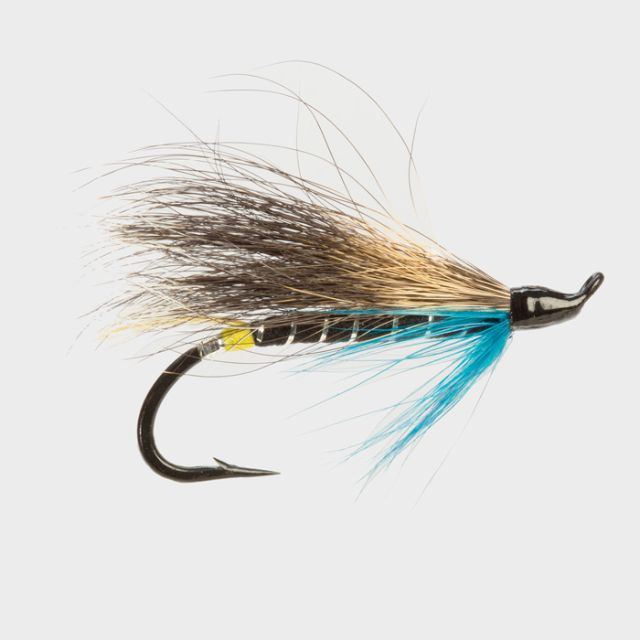
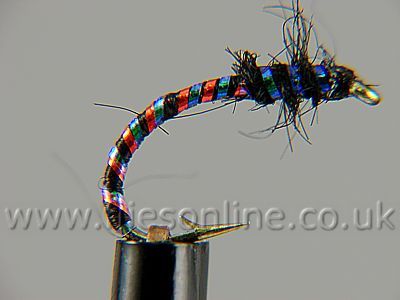
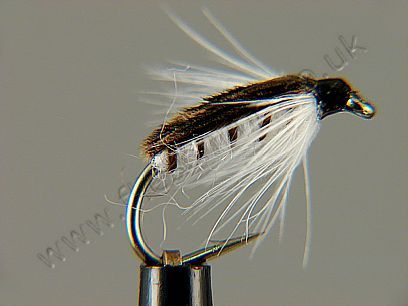
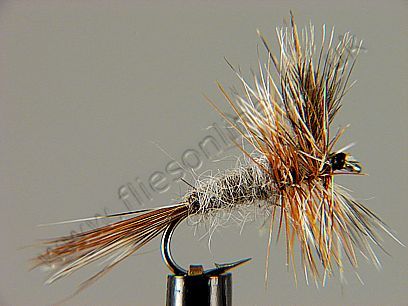
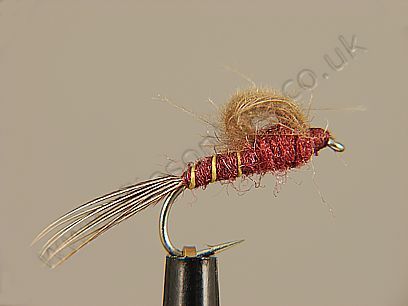
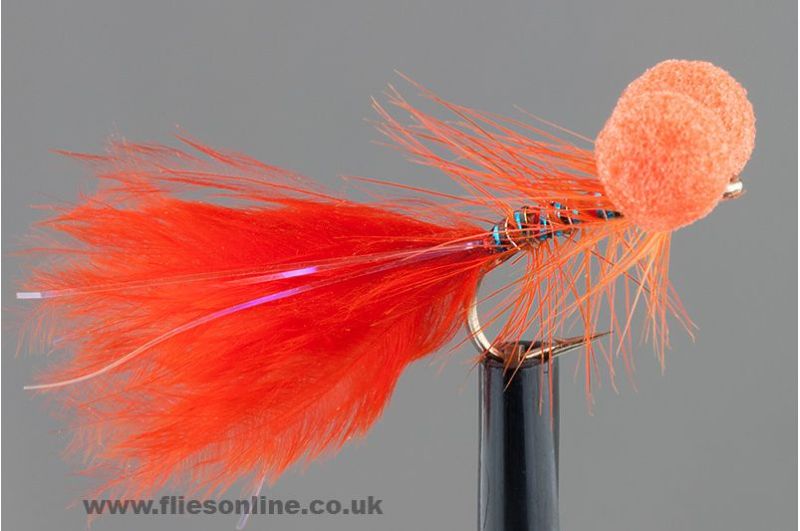
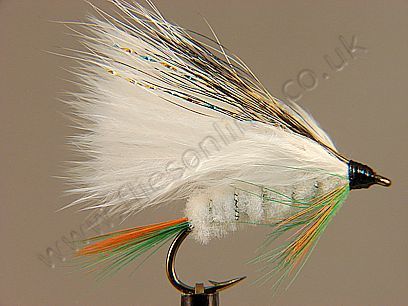
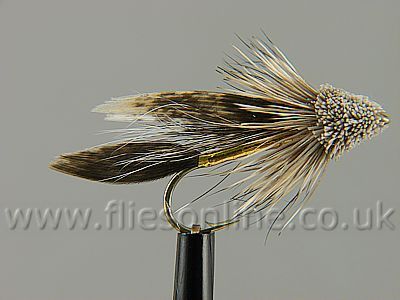
Flies come in such an enormous and ever increasing range of designs. There are some basic types (see below) into which there are so many different categories and designs that it's impossible to show them all here. But I'll do my best.
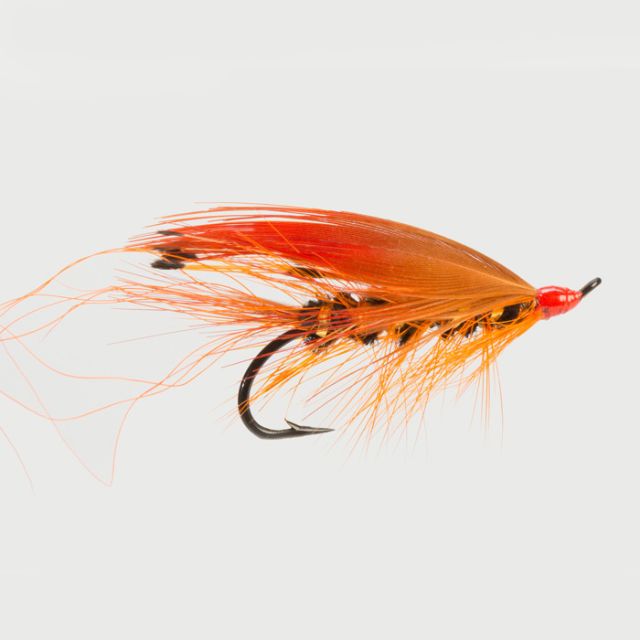
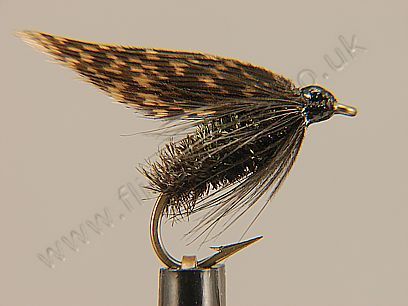
Fly images, kindly provided by Flies Online
Salmon & Sea Trout Flies

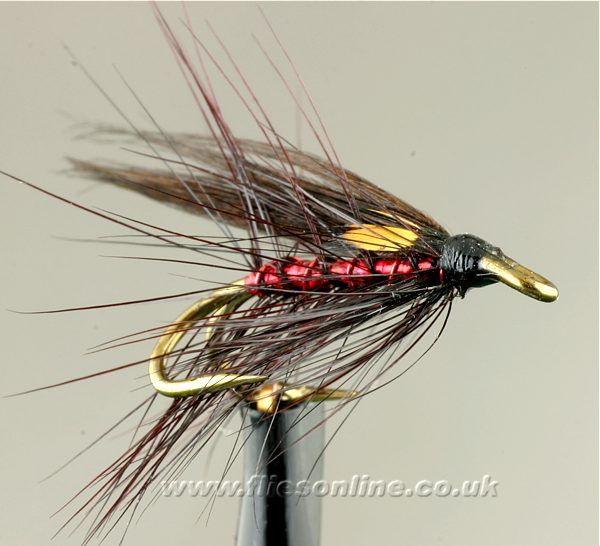
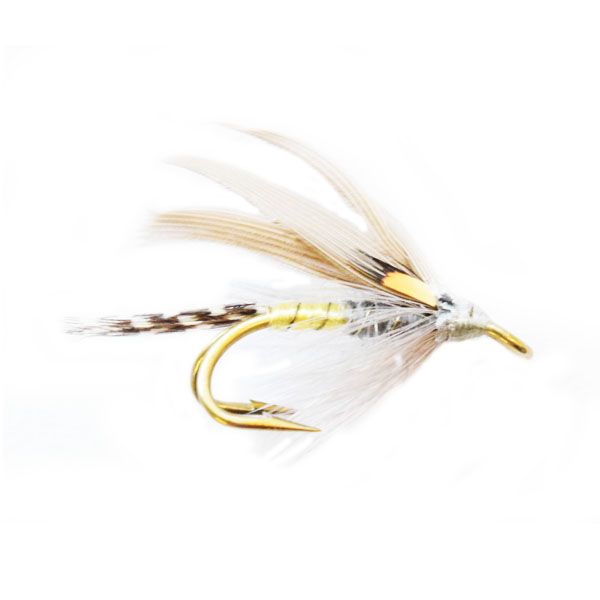

Trout Fly Types
To catch more game fish, you need to understand their world a lot better.
Fish seen from their point of view will enlighten your approach and presentation. This video by 'The New Fly Fisher', was filmed in North America by Wendal "Ozzie" Ozefovich. It is a remarkable underwater recording of various types of trout and other fish in their natural habitat. Learning how they see us, their food and threats will offer excellent guidance to your approach, flies, cast and leaders.
Although some the trout shown above are different to those found in the UK, the feeding and lifestyle habits are the same or very similar to our Brown and Rainbow trout.
I was reminded of a brilliant book I read called 'The Trout and The Fly' by Brian Clarke and John Goddard. I was in my early twenties when I encountered their book and my skills as a an angler improved dramatically. Making your presentation of a fly or nymph as realistic as possible will have a huge affect on your catch rate.
Nylon leader line floats but can be treated to sink. You can see in the video where parts of the leader are floating and just how much more they stand out. Using a link sink treatment is about the best method but even pulling your leader though a piece of clean leather will improve your presentation.
Artificial flies can trap little bubbles of air which look bright and shiny and definitely NOT natural. A barbless hook is far less likely to do this.
Trout Feeding - Temperature, Natural Fauna, Depth and Location
Best water temperature for trout fishing is 50 to 60F. The fish can process food faster and their metabolism is high, feed-rate us up as is your catching opportunity.
As water temperature increases, the oxygen content reduces. This also reduces the trout's comfort levels and they will move of to deeper water or the will stop feeding. Therefore, it's a good idea to take a thermometer with you when fishing still-waters.
Understanding the hatches can make a huge difference to your catch-rate. As hatches slow down or stop, trout will then feed on anything they can catch. They can be very choosy about water depth depending on the temperature. Also intense sunlight and low atmospheric pressure will drive them deeper. They will also seek out good foraging opportunities as they present themselves.
Where to fish is just as important, aquatic insects and fry will inhabit locations with cover. Reeds, lilies, weed-beds, raised areas of the bottom, troughs, rocks, and other surface and sub-surface items that provide cover. Locate any area that may hold fauna and work your flies. There's pro's and con's to some of these. It's easy to snag up or a trout may make a run for sunken branches or weed-beds and the like
Watch for any activity that gives away the location of trout. Surface takes of aquatic insects can vary in their intensity from very subtle to a trout launching itself out of the water, taking their prey on the way. Trout will only expend as much energy as is absolutely necessary. A prey item caught in the surface film will usually cause one of two types of take: The 'Sip' is where a trout will come slowly up beneath a a surface trapped food item and suck it in. This cause a tiny and momentary depression in the waters surface accompanied by a sip noise. The 'Head and Tail' rise often occurs where there are many food items in close proximity. The trout swims along lifting its head to take the prey followed by the dorsal fin and tail just breaking the surface.